Two moves by a respected local entrepreneur have many asking, “What happens next?”
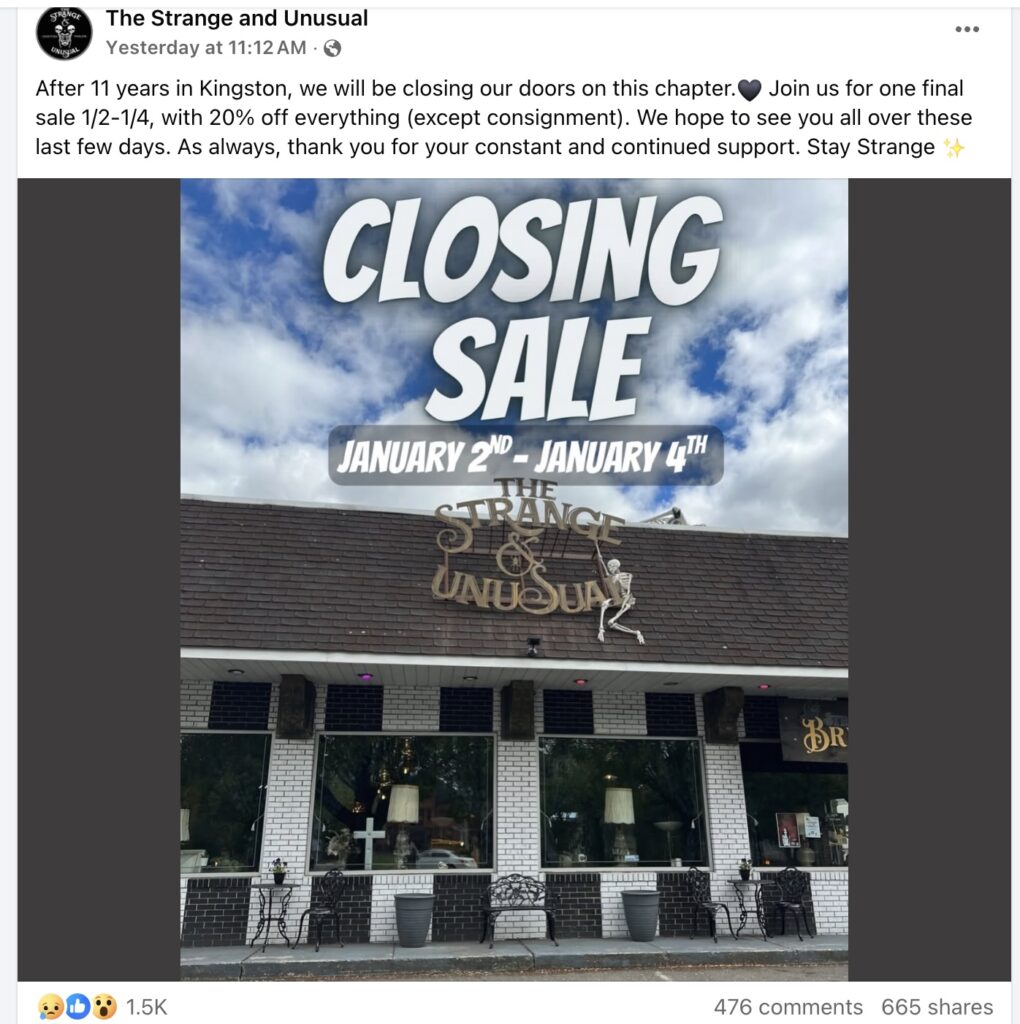
Some news arrives softly. This wasn’t that.
When The Strange and Unusual announced it would be closing its Kingston storefront after more than a decade, the response was immediate and overwhelming. Hundreds of comments. Hundreds more shares. An outpouring of emotion that made one thing unmistakably clear: this wasn’t just a business closing, it was a cultural moment.
The shop had become more than a place to browse oddities or grab a cup of coffee. It was a refuge for creatives, collectors, and curious minds. A place where people felt seen. Its sudden departure landed like a gut punch, not because it was loud or dramatic, but because it represented something increasingly rare: a space that existed purely to be different.
And then came the second headline.
The Ritz Theater in Scranton, one of the region’s most storied and creatively ambitious buildings, was quietly listed for sale by its owner. On its own, that news would have carried weight. Coming on the heels of The Strange and Unusual’s closure, both of which are owned by Josh Balz, it landed with added gravity.
Together, these moments mark a meaningful inflection point for Northeastern Pennsylvania’s food, drink, and creative landscape and for one of the region’s most celebrated entrepreneurs.
A Closing That Hit Home
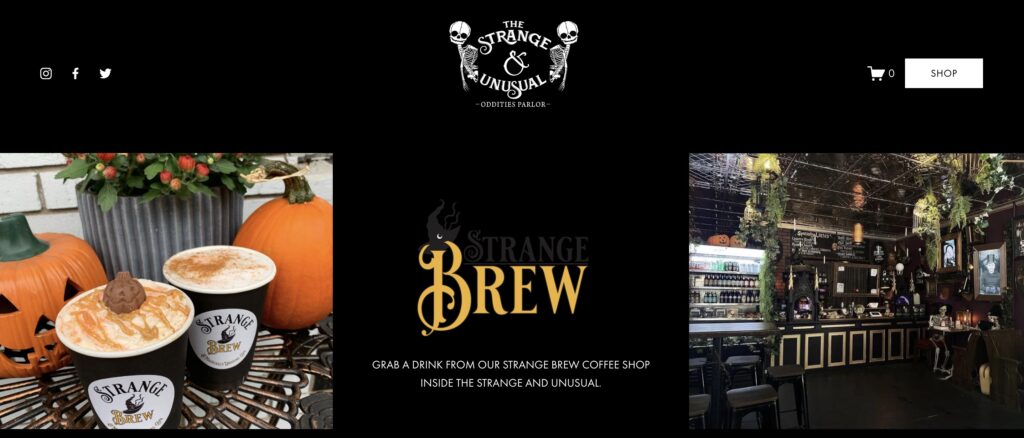
When The Strange and Unusual announced it would be closing its Kingston location, the news hit hard, and not just because a beloved oddities shop was going away. Tucked inside that store was Strange Brew, a magic-themed coffee shop that became an unexpected morning ritual for locals and visitors alike.
Strange Brew wasn’t your typical café. Its menu, featuring whimsical specialty lattes with names like Butter Beer, Unicorn Blood, Love Spell, and Fire Potion, complemented the curious energy of the shop around it. It offered teas, drip coffee, hot chocolate, locally made pastries, and the kind of off-beat creations that made your visit feel like more than a quick caffeine stop.
For many in the region, Strange Brew became a place to start the day, meet a friend, or linger over a cappuccino while browsing shelves of curiosities and oddities. It was part cafe, part community space, part conversation starter, a place where the everyday ritual of coffee met the delight of something unusual. Reviews and photos from patrons reflect the charm of those moments: locals singing the praises of the lattes and visitors marveling at how the quirky drinks paired perfectly with the broader Strange and Unusual experience.
Its closure amplifies the sense of loss beyond retail. This isn’t just the shuttering of a shop; it’s losing a small but meaningful slice of daily life in Kingston. A place where curious sips of espresso blended with community connection. And like the oddities that lined the shelves around it, Strange Brew’s absence will be felt not because it was flashy, but because it was distinctively ours, a local place that truly felt like no other.
The Ritz, Reconsidered
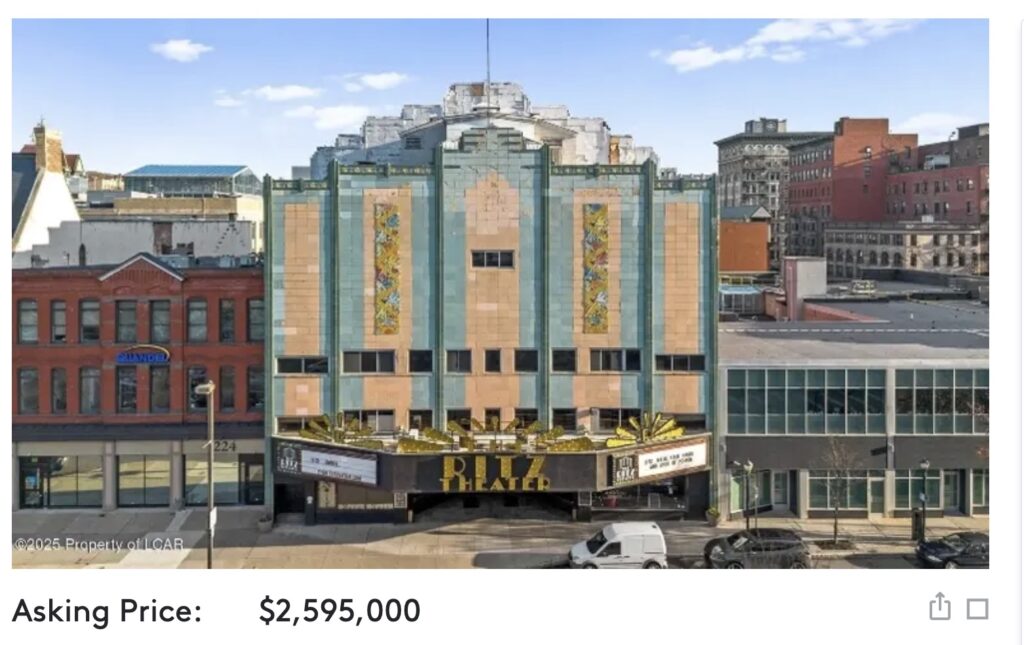
Just a short drive away, the Ritz Theater stands as one of Scranton’s most historically significant buildings. Since opening in 1907, it has worn many identities: vaudeville hall, cinema, performance space, and, in recent years, something more layered and ambitious.
Under Balz’s ownership, the Ritz evolved into a small ecosystem of creativity. At its heart is Noir Dark Spirits, a full-service restaurant known for its moody atmosphere and thoughtful approach to food and drink. Importantly, Noir is owned and operated by Balz himself and remains active. The sale of the building does not signal the restaurant’s closure, nor does it remove his ability to continue operating it, whether within the Ritz or elsewhere, should he choose.
Surrounding it, a rotating mix of creative tenants, including an ice cream shop, tattoo studio, mead producer, and performance spaces, helped reestablish the Ritz as a place people sought out not just for one experience, but many.
That’s what makes this moment feel so charged. The building isn’t closing. But it is changing hands, and with that comes uncertainty, not panic, but pause.
What This Moment Really Represents
The throughline connecting these stories isn’t failure. It’s sustainability.
Running experience-driven businesses in Northeastern Pennsylvania, especially ones that don’t fit neatly into conventional molds, demands an enormous amount of energy, creativity, and emotional investment. These are not passive ventures. They are lived-in, deeply personal extensions of the people who build them.
The response to The Strange and Unusual’s closing revealed just how much these spaces matter. But it also highlighted a familiar tension: appreciation often arrives only when something is on the verge of disappearing.
The same is true for the Ritz. Its listing doesn’t erase what it’s become. But it does remind us how fragile revitalization can be, and how much it depends on individuals willing to carry that weight day after day.
A Moment Worth Paying Attention To
This isn’t a moment for panic, and it’s not a call for nostalgia. It’s an invitation to pay attention.
To recognize that vibrant food and drink scenes don’t happen by accident. They’re built by people willing to take risks, often quietly and at personal cost. When those people step back, even temporarily, it’s worth asking what support really looks like, and how communities can better sustain the places they claim to love.
The closing of The Strange and Unusual doesn’t erase what it gave this region. The potential transition of the Ritz doesn’t undo what it helped create. But together, they signal a pause, a chance to reflect on what kind of creative ecosystem Northeastern Pennsylvania wants to nurture moving forward.
Because places like these don’t simply reappear once they’re gone.