For a quarter century, the Scranton bar has stayed relevant by staying human; welcoming musicians, regulars, and anyone looking for a place to belong…
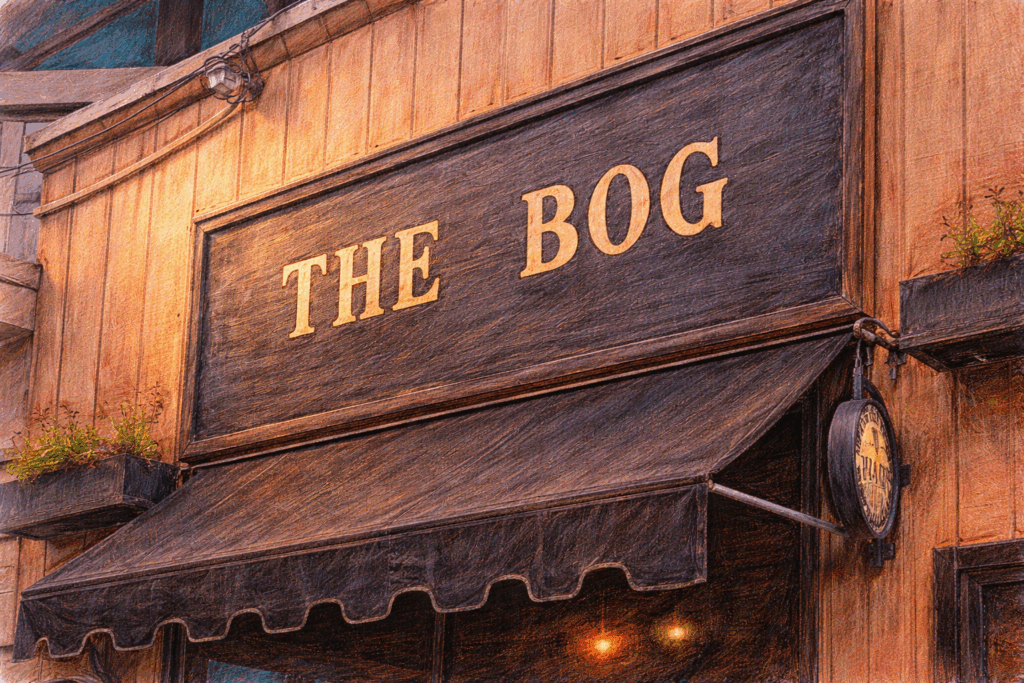
It is news worth stopping for: The Bog has now been open in downtown Scranton for 25 years.
In a city where bars open with confidence and close with surprising speed, that number carries real weight. Twenty-five years means outlasting changing neighborhoods, shifting drinking habits, economic downturns, and the endless churn of nightlife ideas that sound good on paper but never quite take hold. It means staying relevant without reinventing yourself into something unrecognizable.
The Bog didn’t get here by expanding, polishing, or chasing whatever was momentarily fashionable. It got here by staying exactly what it was meant to be: a small, welcoming bar that people felt comfortable claiming as their own.
That may sound simple. It isn’t.
A room that knows what it is…
From the moment you step inside The Bog, the physical space explains part of the story.
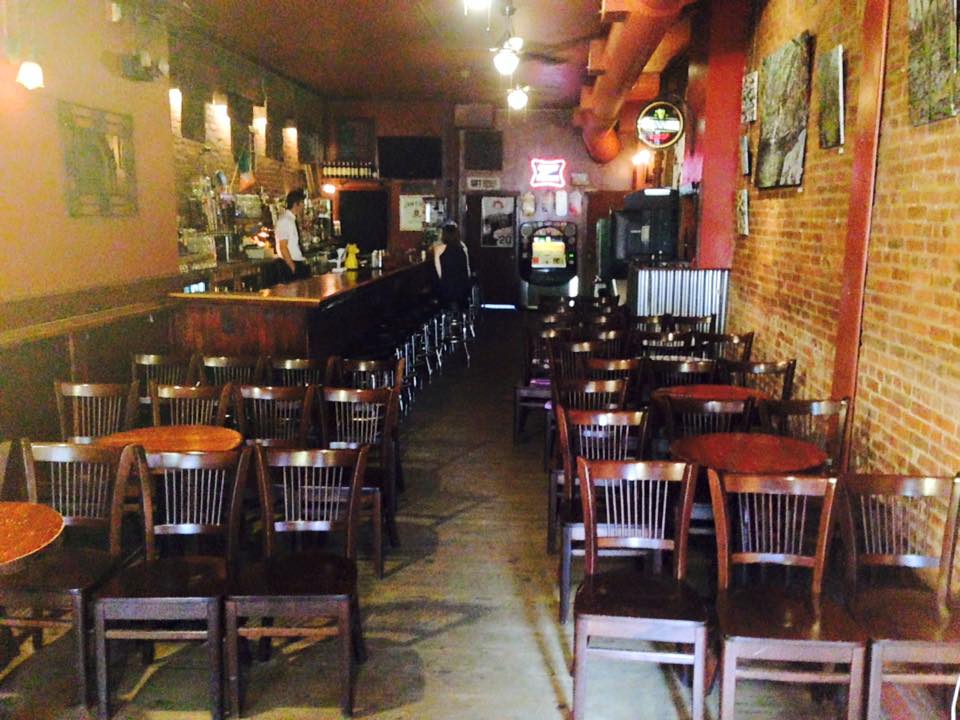
The room is long and narrow, with exposed brick, low ceilings, and dim, warm lighting that softens everything just enough. The bar itself sits toward the back of the room, anchoring the space and pulling people inward. It isn’t tucked away, but it isn’t a runway either. It’s the heart of the place — the point everything flows toward.
That layout matters. There is little separation between bartender and customer, musician and audience, regular and first-timer. Conversations overlap. People brush past one another. You don’t observe the room from a distance; you’re inside it, whether you planned to be or not.
Over time, that closeness became part of The Bog’s identity. Interaction isn’t curated or optional here — it’s built into the architecture. That sense of shared space has done more to build loyalty than any menu overhaul or rebrand ever could.
Built by people, held together by them…
The Bog opened around the turn of the millennium under the ownership of Brian Craig and Rudy Calciano, with Bob Philbin joining early in the bar’s life as both a partner and a steady presence behind the scenes. From the start, it avoided positioning itself as a “concept bar.” There was no theme to explain, no hook to sell beyond the idea that this was a room for people.
That philosophy became inseparable from Brian Craig, one of the bar’s co-owners and its emotional center for much of its history. Craig was also a barber at Loyalty Barber Shop & Shave Parlor and a working musician, deeply embedded in Scranton’s creative and social life.
When Craig died in 2019 at the age of 46 after a yearlong battle with cancer, the response from the community was immediate and unmistakable. Hundreds of people attended his funeral. A long procession of vehicles followed him through the city. The turnout wasn’t symbolic; it was personal.
For a time after his death, a massive portrait of Craig, Biggie Smalls-style and rendered larger than life, hung outside The Bog, suspended from a fire escape above the entrance. The image was striking, but its temporary nature mattered. The Bog does not freeze moments or people in place. It honors them by continuing the work they started.
Friends and regulars often described Craig as someone who treated everyone the same, regardless of who they were or what they looked like. One of his final public messages reportedly consisted of a single word: love. That word still feels present in the room, not as sentiment, but as practice.
Even today, that philosophy shows up in small, telling ways. On the occasions when The Bog has opened late because a bartender was performing in a local stage production, the announcement hasn’t been framed as an apology. It’s been a celebration, an invitation to go see the play first, then come by. Art isn’t treated as a disruption here. It’s treated as part of the ecosystem.
A place where music feels welcome…
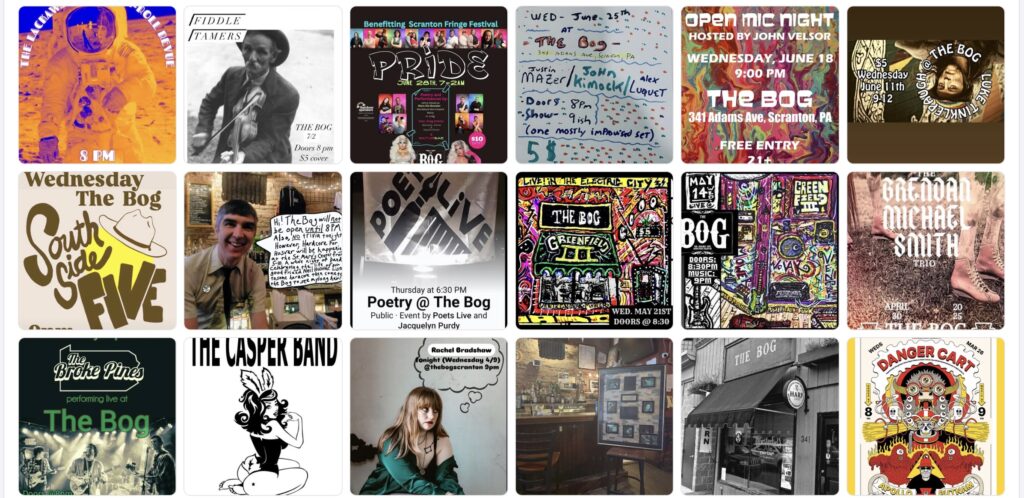
Scranton has long had good music venues, and The Bog was never the city’s first. What it became, however, was one of its most consistently welcoming.
The Bog established itself as a place where musicians could play without pretense. It didn’t matter if you were in a well-known local band or trying something out for the first time. The room was open to you. The crowd was close enough to listen. The stakes felt low in the best possible way.
That openness made The Bog a reliable home base for the local music community. It wasn’t about booking prestige acts or chasing trends; it was about creating a space where scenes could form organically. When musicians describe the bar as an incubator, they’re talking about that sense that the room belongs to whoever is brave enough to step into it.
That spirit extended beyond the bar itself. When Craig was diagnosed with cancer, the community rallied around him with “Bri Day,” a fundraiser at the Scranton Cultural Center that brought together musicians from across the region. It was a reminder that The Bog didn’t just host the music scene. It helped knit it together.
Drinks without attitude…
The Bog’s approach to drinks mirrors its approach to everything else.
The tap list balances craft beer with familiar standards. The emphasis has always been on choice, value, and comfort rather than novelty. You can order something interesting, or you can order something you’ve been drinking for years. Either way, no one is judging.
That lack of pretense comes up again and again in stories people tell about the place, about walking past other bars to get there, about striking up conversations with strangers, about being bought a shot unexpectedly, just because that’s the kind of room it is.
The Bog doesn’t compete by offering the newest thing. It competes by offering a place where people feel at ease staying longer than they planned.
Parade Day, turned up to eleven…
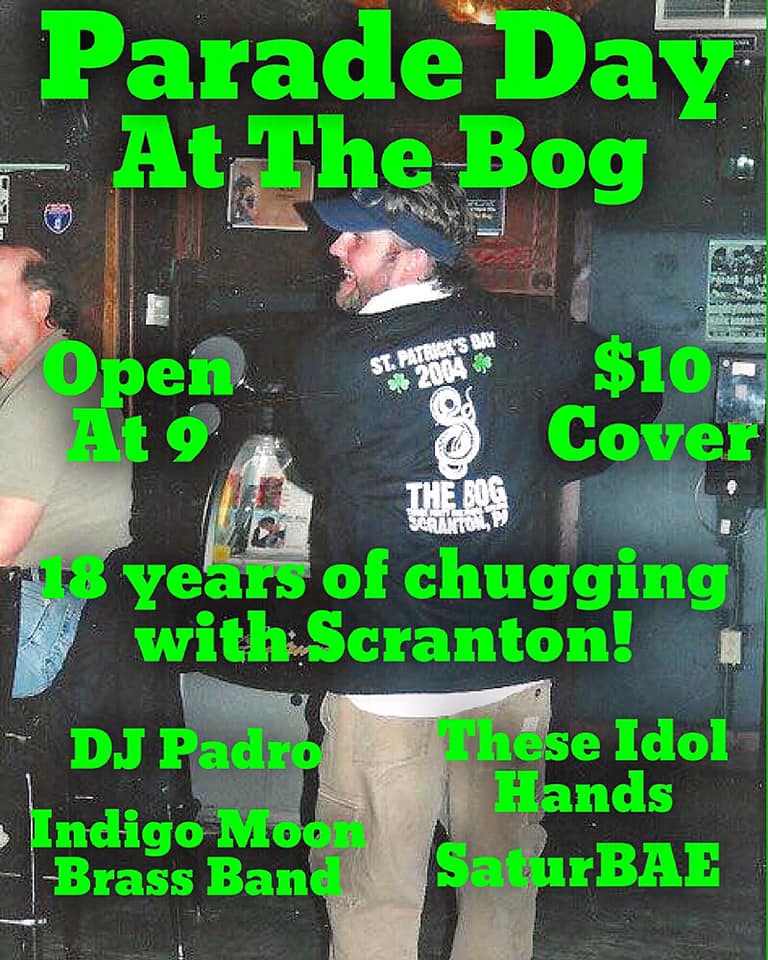
In downtown Scranton, St. Patrick’s Parade Day is the Superbowl. It’s the biggest drinking day of the year, the one every bar circles on the calendar. No one treats it as an inconvenience; it’s an all-hands-on-deck event that can make a year.
For The Bog, Parade Day acts less like a disruption and more like gasoline poured on an already burning fire.
The bar is already a popular gathering place, already somewhere friend groups naturally converge. On Parade Day, that energy multiplies, extended hours, live music, packed shoulders, and the near certainty that everyone you know, and plenty you don’t, will pass through the room.
The Bog doesn’t change its personality for the day. It simply turns the volume up.
Rituals that keep a place alive…
Beyond Parade Day, The Bog is sustained by repetition.
Weekly trivia nights give shape to the calendar and reasons to return that have nothing to do with alcohol. Regulars come back not for novelty, but for familiarity, the comfort of knowing what night is what, who will be there, and where they’ll sit.
That same looseness shows up in how the bar programs itself. Costume dances, toga parties, off-kilter holiday shows, events that feel dreamed up by the people who work there rather than brainstormed for an algorithm. The Bog isn’t chasing themes so much as creating excuses to be together. The result is a calendar that feels playful without being precious, unserious without being careless.
Even the jukebox became a ritual over time, its selections shaped by years of hands and habits rather than software. When it was eventually retired, it wasn’t swapped out without comment. It was acknowledged as part of the bar’s history, a small but telling detail about how The Bog treats its past.
Still standing, still necessary…
Over the years, The Bog has picked up pop-culture references and tourism mentions. Visitors find it. Locals protect it. And through it all, the bar itself has remained remarkably steady.
That steadiness is the story.
After 25 years, The Bog isn’t celebrated because it survived. It’s celebrated because it never stopped serving a purpose, as a place where people feel welcome, where music feels possible, and where joy, grief, and whimsy are allowed to share the same narrow room.
Many bars make it to 25 years.
Very few are still essential when they do.