The restaurant has been ordered closed after numerous complaints about its after-hours nightclub operation…
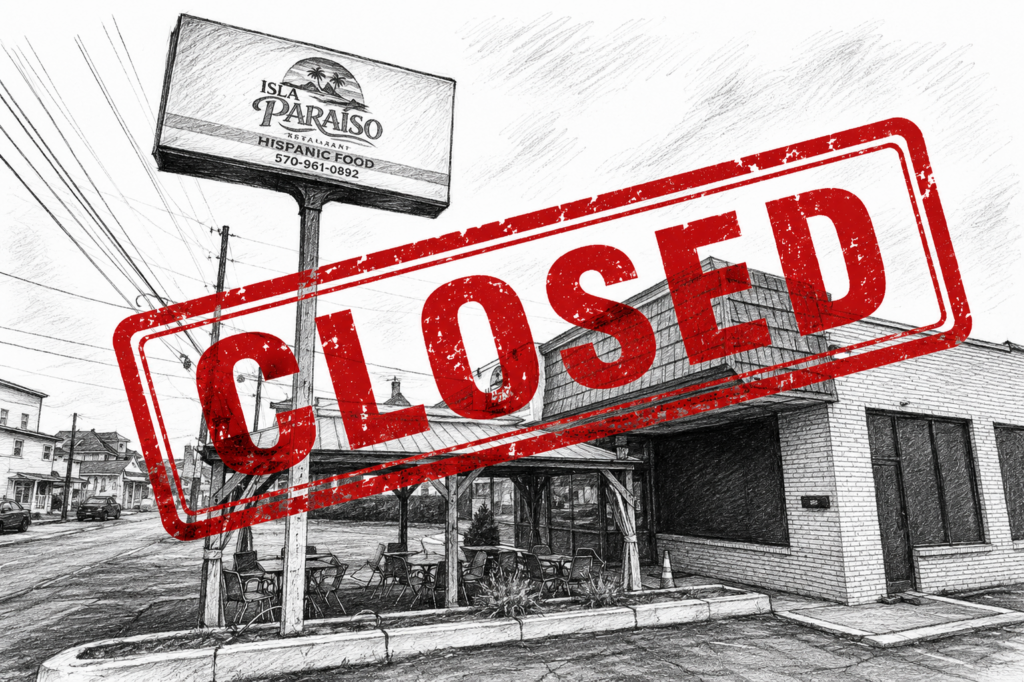
Isla Paraiso Restaurant is closed in West Scranton, at least for now, after a court order shut down the South Main Avenue business amid allegations that its recent after-hours nightclub operation had become a neighborhood nuisance.
The allegations surrounding the restaurant are serious. Lackawanna County District Attorney Brian Gallagher is seeking to have the business declared a nuisance and closed permanently after a summer in which neighbors reported late-night noise, fights and, eventually, gunfire around the property.
But for anyone who knew Isla Paraiso primarily as a restaurant, the closure means something else, too. Scranton has lost, potentially for good, one of the area’s most substantial destinations for Dominican food. That part of the story is worth dwelling on here, as many other outlets will cover the alleged crimes and legal proceedings.
Isla Paraiso, at 1001 South Main Avenue, had operated as a Dominican and Caribbean restaurant with the kind of menu that could take a while to read and considerably longer to work your way through. It was open for breakfast, lunch and dinner, serving everything from mangú and fried cheese in the morning to plates of oxtail, goat, stewed chicken and roast pork later in the day.
Even District Attorney Gallagher acknowledged the distinction between the food business and what prosecutors say happened after hours. He described Isla Paraiso as appearing to operate as a “reputable lunch spot” during the day before becoming a nightclub that stayed open until 4 in the morning.
According to reporting by The Times-Tribune, the nightclub events began in July. Neighbors described a series of incidents that followed, including a large fight, a hit-and-run, a BB fired through a window of a nearby home and, most recently, a gunshot near the restaurant early Sunday morning.
A judge has ordered the business temporarily closed while the DA pursues permanent closure.
And so the same order intended to stop the late-night operation also shut down a kitchen that was producing some food that remains relatively difficult to find around Scranton.
Start with the mofongo…
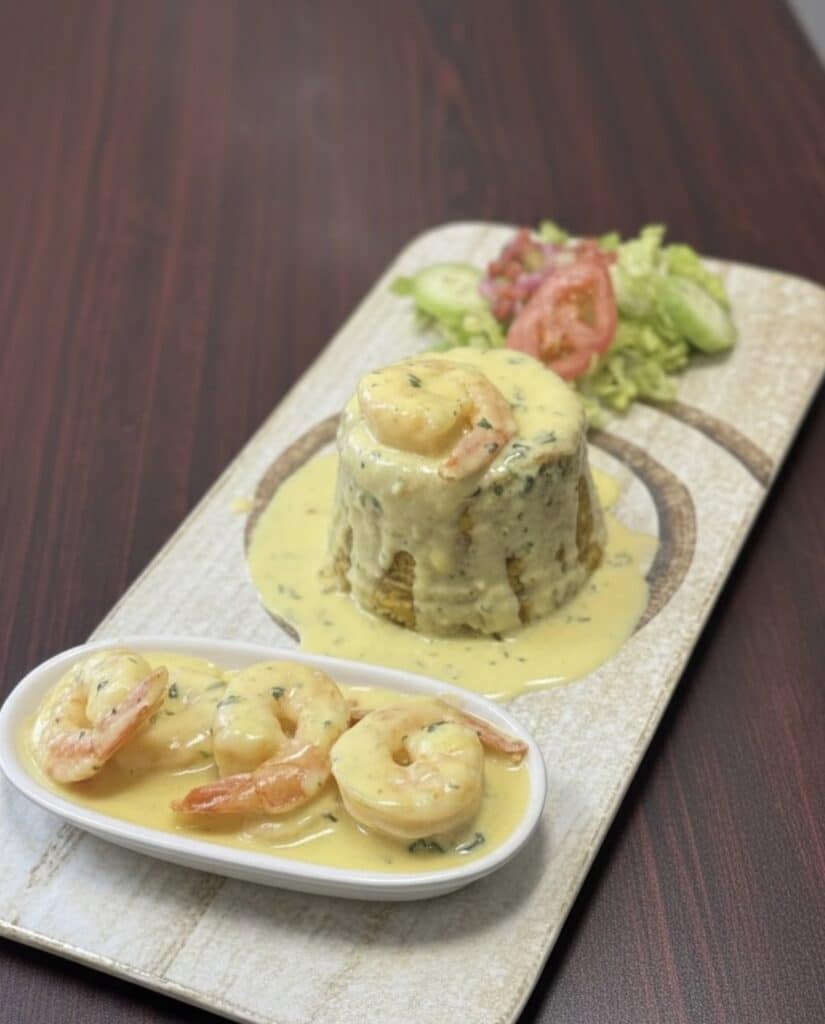
At Isla Paraiso, the Dominican staple of fried green plantains mashed with garlic could be ordered in enough variations to constitute a small menu of its own: with shrimp, roast pork, fried pork, chicharrón, fried cheese, pork chops or steak and onions. It is dense, garlicky, deeply satisfying food, built from ordinary ingredients made much better through frying, seasoning and pounding.
Plantains ran through the rest of the menu, too. There were sweet maduros and crisp tostones, plus patacones stuffed with chicken, pork, steak or shrimp.
Breakfast offered another essential plantain preparation: mangú, made by boiling and mashing green plantains. Isla Paraiso served it in the traditional Dominican fashion with eggs, salami, and fried cheese.
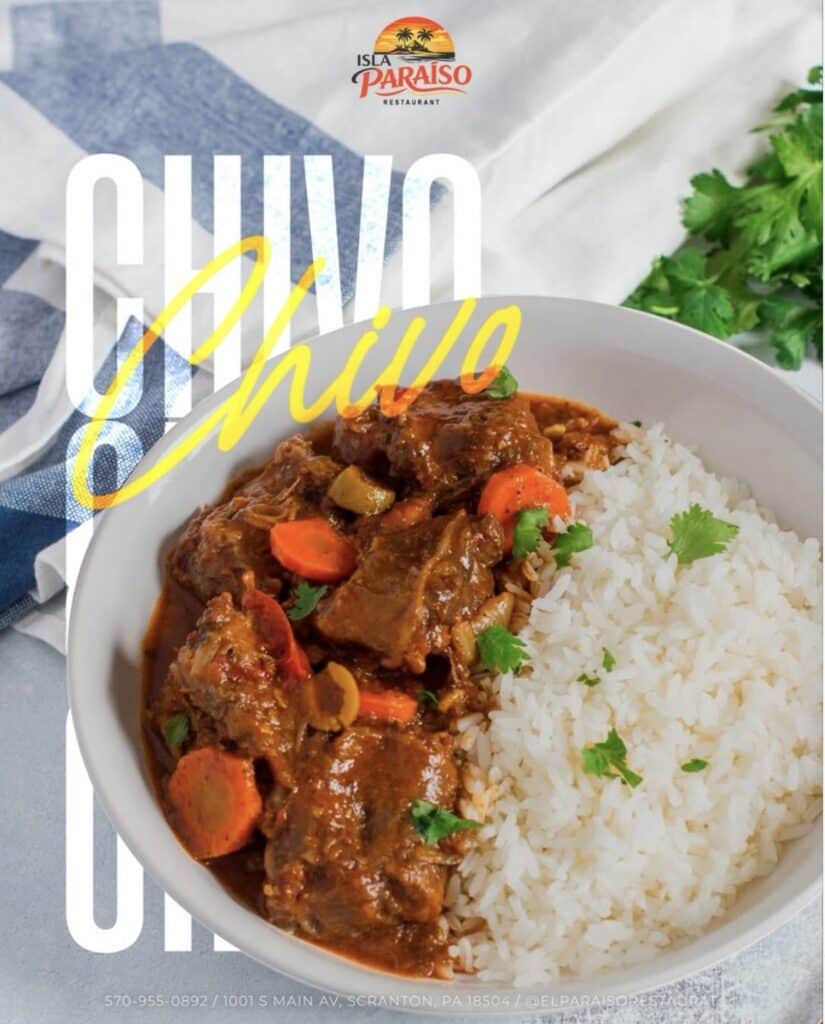
Then there were the stews and slow-cooked meats.
Rabo guisado brought oxtail cooked until tender. There was pernil, the familiar slow-roasted pork; pollo guisado and carne guisada; goat; fried pork chops; and mondongo, the tripe soup found in various forms throughout the Caribbean and Latin America.
Sancocho was practically a meal plan unto itself, combining yuca, sweet potato, plantain, green banana, pork and beef, with rice alongside.
The smaller stuff mattered, too: yuca empanadas, quipes, sorullos, chicharrón de pollo and carnita frita. Add rice, beans, and fruit juices, and Isla Paraiso could function equally well as a place for breakfast, a quick lunch, or a takeout order substantial enough to cover dinner for several people.
This wasn’t a menu that had been trimmed down and translated for diners unfamiliar with Dominican cooking. Its breadth was part of its appeal. You could order recognizable favorites or venture into dishes that remain uncommon on menus elsewhere in Northeastern Pennsylvania.
The food here was excellent…
Uber Eats listed Isla Paraiso at about 4.4 stars with more than 500 ratings, with diners singling out dishes including mangú, patacones, empanadas, alcapurrias, and relleno de papa. The Google reviews include praise for both the food and service, alongside the inevitable bad experiences that come with serving hundreds of customers.
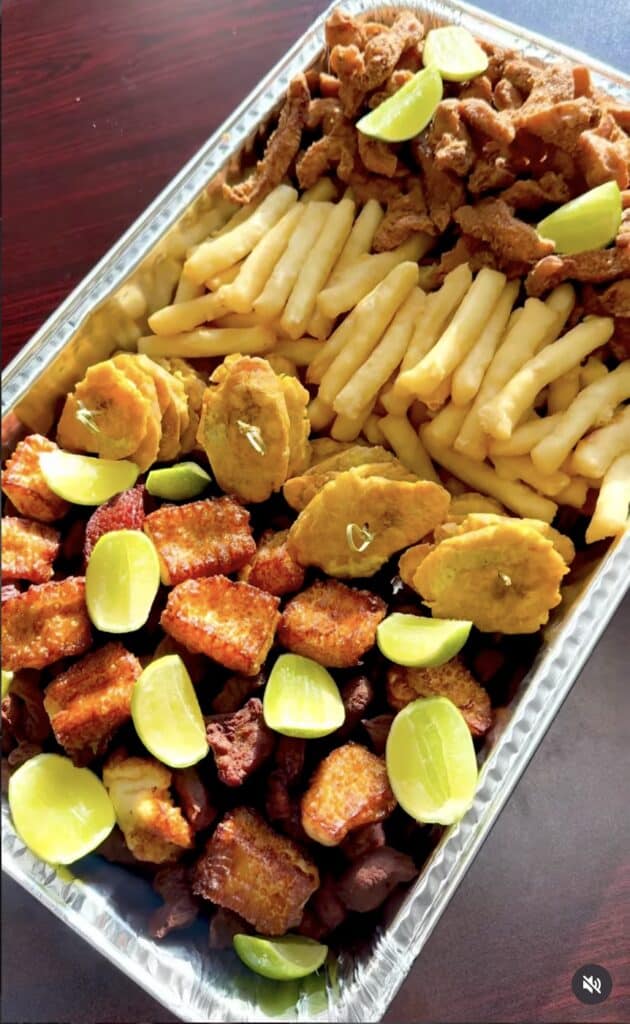
The restaurant’s Instagram photographs told the story more directly: big trays of fried meat, tostones and fries; pork with crisp edges piled alongside plantains and wedges of lime. It was abundant food, presented without much fuss.
Northeastern Pennsylvania has become a considerably more interesting place to eat as its restaurant scene has expanded beyond the foods historically associated with the region. Dominican cooking is part of that change, but there still aren’t so many places serving it that losing one goes unnoticed.
Isla Paraiso offered a particularly broad version of it. A diner could encounter mangú at breakfast, mofongo at lunch, and sancocho, goat, or oxtail at dinner, all from the same kitchen. For Dominican customers, those dishes could taste familiar. For everyone else, the restaurant provided an easy introduction to a cuisine that deserves more representation locally.
None of that diminishes the allegations surrounding the nightclub. A restaurant can serve excellent food and still create serious problems for the people living around it. Both things can be true.
But the court order doesn’t close only the version of Isla Paraiso that neighbors complained about at 2 a.m. It closes the lunch counter and the kitchen, too.
For Scranton diners, that means losing the mofongo, the mangú, the oxtail and the pernil, and one fewer place in the 570 where Dominican cooking occupied the center of the menu rather than its margins.